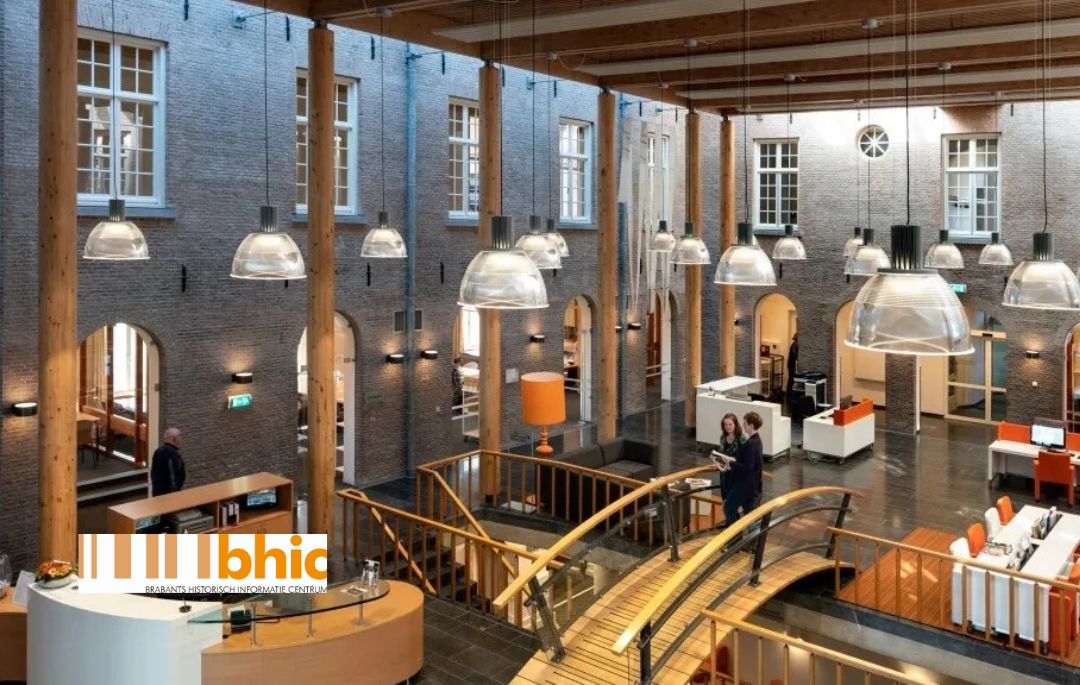
Municipality of Rotterdam centralises archiving
and phases out legacy systems in a controlled way
en faseert legacy-systemen gecontroleerd uit
.png)
.png)
In 2025, we extended our valued partnership by five years. This means that the Equalit municipalities will retain access to MY-LEX Core and Control, together with the linked sources. With flexible consultancy vouchers and the continued development of the connectors, we guarantee adoption, performance and continuity.
Historical data is locked in outdated systems. Municipalities want to unlock and archive data in a controlled manner without losing availability.

Historical data is locked in outdated systems. Municipalities want to unlock and archive data in a controlled manner without losing availability.
Many different interfaces and scripts are difficult to manage. Updates, version management and logging are either lacking or differ per source.
Inconsistencies in fields, coding and metadata lead to errors. Validation and normalisation are necessary before transfer to an archive.
New sources and municipalities must be able to connect quickly. Reusable building blocks and predictable implementation steps are essential.
MY-LEX provides generic connectors or, when necessary, develops new links to make data uniformly searchable, clean it up and phase out legacy systems. Within MY-LEX, we apply policy-driven anonymisation rules and pseudonymisation, with logging, version management and recovery options. With consultancy vouchers, we support data modelling, mapping, quality control and further development.
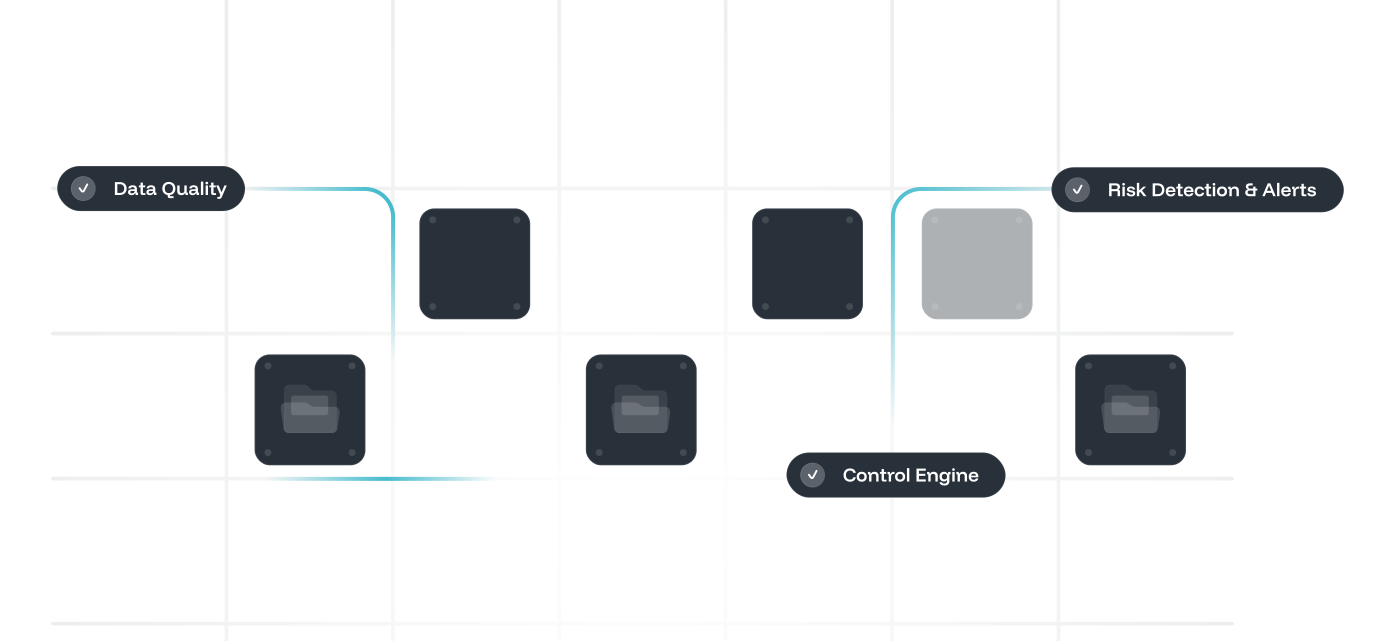
New sources (or local authorities) can connect more quickly thanks to the umbrella structure. This also guarantees predictable costs and joint roadmap management. Through the further development of connectors and joint protocols, performance and security remain at a high level. The result: higher reliability of data flows, faster turnaround times and sustainable information management for all participating local authorities.


All product and service names, including MY-LEX Core, MY-LEX Flow, MY-LEX Control, MY-LEX Consultancy, and MY-LEX Air, are registered trademarks of MY-LEX.



.png)
.png)